For recent college graduates embarking on their professional journey, the equilibrium between starting salaries and the cost of living holds immense significance. A simple yet telling comparison emerges: the increase in the cost of living has surged beyond the growth in starting salaries. This realization becomes a clarion call, not just for individuals but for policymakers as well. In this article, we delve into this critical comparison, shedding light on its wider implications and the urgent need for political attention in ensuring sustainable financial well-being for young professionals.
In the early 1990s, fresh graduates could anticipate commencing their careers with starting salaries averaging around $35,000 to $55,000 annually. Fast forward to several years ago, and these initial earnings have expanded to approximately $50,000 to $75,000 or more, reflecting a growth of 35%.
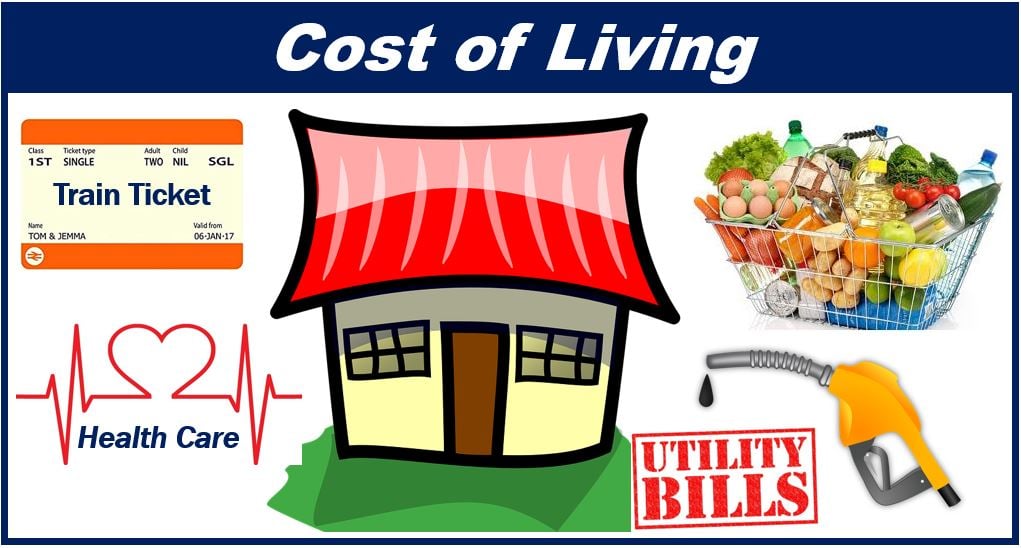
Over the same time span, the cost of living, encompassing essentials like housing, healthcare, and education, has experienced a steeper ascent. The overall cost of living has surged by approximately 50% to 70%, placing increased financial pressures on young professionals at the outset of their careers.
The core of the issue lies in the stark imbalance between the growth in the cost of living and the increase in starting salaries. This emerging disparity warrants not just individual financial planning, but also the attention of policymakers. The ripple effects of this imbalance could potentially impact overall economic stability and societal well-being.
As young professionals navigate the dynamic financial landscape, the pressing question emerges: How can policymakers address this disparity? The need for comprehensive strategies to manage the cost of living surge and enhance earning potential becomes increasingly evident. Most especially since these wage earners are voters who will cast their vote regarding who takes office and why.
The urgency of the situation requires politicians to focus on measures that ensure future sustainability. This entails initiatives to curb inflation, bolster job markets, and support education and healthcare affordability. By addressing these factors, policymakers can contribute to a more equitable financial environment for recent graduates.
The comparison between the rising cost of living and the growth in starting salaries carries broader implications beyond individual financial management. As recent graduates endeavor to establish themselves, the need for proactive political action becomes clear. The disparity poses challenges not only for young professionals but for society as a whole. By focusing on sustainable policies, policymakers can pave the way for a balanced financial landscape that empowers the next generation of professionals, ensuring that their potential is not eclipsed by mounting economic pressures. If we do not take this seriously the cost of living will eventually increase to a place where young professionals will be in the red before they even begin.
 RibotskyInstitute.com
Leave a comment