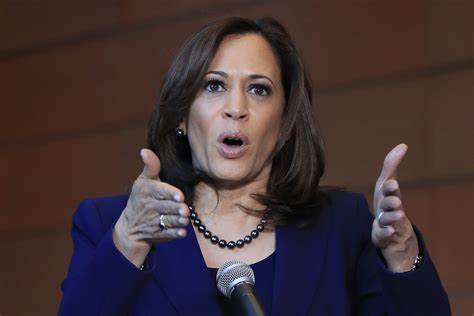
Vice President Kamala Harris has seen a notable rise in national polls following President Joe Biden’s exit from the 2024 campaign. However, despite this apparent surge, her electoral chances remain bleak.
Popular Democrat supporting media reports that she has experienced a boost in recent national polls. Some recent polls show her tied with former President Donald Trump, reflecting a two-point gain while others state Harris is leading Trump by two points, also a two-point improvement. Keep in mind all polls have a margin of error.
The primary driver of these gains appears to be the re-engagement of hard-line Democrats rather than her appeal to undecided voters or Trump supporters. Many Democrats, disillusioned by Biden’s perceived ineffectiveness, and his cognitive decline are now rallying behind their new candidate. This surge, however, is less about Harris’ individual appeal and more about the relief from Biden’s withdrawal, given his status as one of the weakest incumbents in recent American history. Essentially, Harris is consolidating support among voters who should have been secure for the Democrats from the start.
Despite the uptick in national polls, these numbers hold little weight in the context of U.S. presidential elections, which are decided by the Electoral College. Large Democratic strongholds like New York and California can inflate national popular vote figures but do not directly translate into electoral victories. Harris’ standing in crucial swing states paints a more concerning picture.
Historical context underscores the importance of swing states. Trump narrowly defeated former Secretary of State Hillary Clinton by approximately 100,000 votes across Michigan, Wisconsin, and Pennsylvania in 2016, despite losing the national popular vote by nearly 3 million votes. In 2020, Trump lost to Biden by around 40,000 votes in Arizona, Georgia, and Wisconsin, while Biden won the popular vote by 4.5%. For Harris to secure the presidency, she would likely need to win the national vote by at least 4%, yet she currently trails this target by just shy of 6%.
Current polling in swing states is discouraging for the Harris campaign. Averages show Trump leading Harris by over 5% in Georgia and almost 4% in Pennsylvania. Victories in these states, combined with his existing electoral base, could secure Trump the presidency.
Additional polling averages further highlight Harris’ challenges. Trump leads by almost 9% in Nevada, over 7% in Arizona, a bit over 2% in Michigan, and almost 2% in Wisconsin. To win, Harris would need to clinch each of the crucial Rust Belt states—Michigan, Wisconsin, and Pennsylvania.
While Vice President Kamala Harris may enjoy a slight national bump in the polls, her path to securing the Electoral College—and thus the presidency—remains arduous. The media’s focus on her improved national numbers overlooks the deeper electoral challenges she faces. As the campaign progresses, Harris will need to significantly strengthen her position in key swing states to have a viable chance of victory in the 2024 election.
 RibotskyInstitute.com
Leave a comment