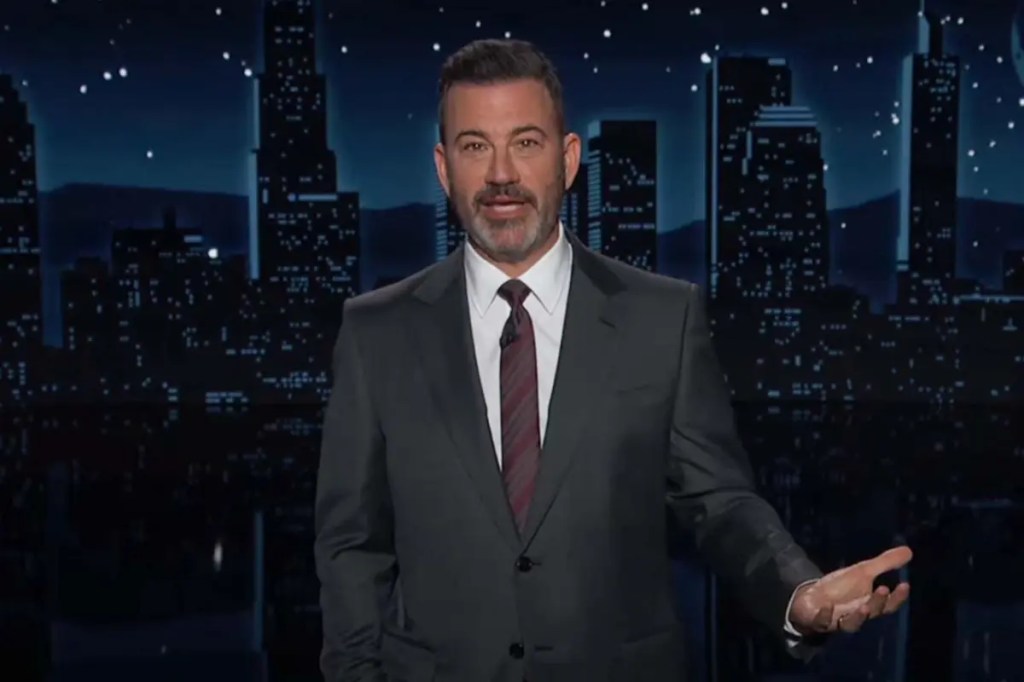
Kimmel’s suspension isn’t a free-speech saga—it’s a boardroom call driven by ratings risk, advertiser anxiety, and affiliate pressure combined with his bad judgment that makes a recipe for disaster.
Framing ABC’s move as an assault on the First Amendment misses the point. The Constitution restrains government, not network programmers calibrating risk. What sidelined Jimmy Kimmel Live! wasn’t a gag order on speech; it was a corporate judgment about revenue, reputation, and the shrinking margin for error in late night’s clip economy. In other words: not censorship—calculus.
Let’s start with what actually mattered to viewers. A national audience had just endured the blatant assassination of Charlie Kirk. In the days after that loss, the minimum for any national host is moral clarity and restraint. Kimmel needed to meet that standard. Instead of rising to the occasion, Kimmel turned to left-wing faction point-scoring, and it backfired. That wasn’t “fearless”; it was indecent. On a week like that, decency steadies an audience; point-scoring erodes it.
Then there’s the business reality—the one that actually decides what stays on air. Affiliates hate volatility. Advertisers hate being dragged into political crossfire. Parent companies hate the sense that the show is running them instead of the other way around. In one news cycle, affiliates balked, advertisers hedged, and Washington turned up the heat—the classic trifecta that makes a network hit pause. A suspension in that context isn’t a philosophical verdict; it’s a programming timeout to stabilize carriage, calm ad buyers, and reassert control over a wobbly hour.
The ratings picture only narrowed ABC’s patience. The numbers didn’t sink the show, but they weren’t building confidence either. Kimmel wasn’t winning late night in total viewers, and by late summer his audience was softening. He remained valuable with younger viewers, but the trend looked more like “holding on” than “pulling away.” When a show is in that posture, one bad controversy stops being a bump in the road and starts looking like a skid—and that’s when networks reach for the brake.
This is the bind late night built for itself. The format no longer sells just an hour; it sells moments. The monologue became the franchise because it gets utilized over and over again—the network, social media gurus, influencers, everyone and anyone cut it, caption it, and blast it as feeds to people who will never sit down at 11:35. By the time Broadcast Standards & Practices (BS&P): the network’s in-house compliance team that reviews scripts and segments for legal issues, decency rules, and advertiser guidelines had reviewed Kimmel’s statement, (after it was made unfortunately) the sales side has already mapped the market damage and the affiliate desk had gauged reactions as well as monitored viewer and advertiser complaints. The picture corporate painted for the network brass was one of nuclear fallout where there were two options; support the host or halt the production to save whatever can be saved of revenue and decency.
Hosts have choices, especially in the days after a brutal assassination. The first job is to be human: name the loss, leave space for grief, and resist the urge to turn a killing into left-wing faction point-scoring. Facts come first; if they aren’t settled, say so and wait. Don’t take a shot at stoking an already burning wild forest fire. If you do you will alienate and already shocked public. When a host meets that standard, viewers feel seen and the show steadies. When he doesn’t, the audience recoils, affiliates get nervous, and the business pays for a failure that started as a failure of judgment.
None of this turns Kimmel into a folk hero or a villain. It places him where every late-night host now lives: under a microscope that converts every line into a business event. If ABC truly wants pointed, news-driven comedy, it must defend the format when it stings—and design the hour so no single segment can detonate the night. If it wants less volatility, it will migrate back toward variety and evergreen comedy that can be quoted and replayed without tripping brand-safety alarms.
For audiences, the lesson isn’t that “you can’t say anything anymore.” It’s that everything costs something in a business built on advertising, affiliates, and optics. If viewers want braver comedy, the market has to support it—through memberships, sponsors with a spine, or platforms less dependent on legacy distribution. Of course nothing can save the ship if it sees the iceberg and heads right for it.
And let’s be honest about the personality at the center of this. This was bad judgment by an overpaid comedian whose moment may have passed; but it doesn’t come close to a First Amendment case. Kimmel too often defaults to the overgrown, whining scold—reportedly paid north of $15 million a year—to tout Hollywood’s version of the truth from the palm tree lined streets of Beverly Hills. That shtick might juice clips; it doesn’t steady a franchise when the stakes are this high.
Don’t cry for Jimmy Kimmel; he has money, reach, and options. Keep the focus on the real lesson: late night is paid to manufacture viral moments and then punished when those moments create volatility. Until networks align the format with the risk they’re willing to carry—and hosts show the judgment the moment demands, especially after a figure such as Charlie Kirk was brutally murdered before the entire planet —every monologue will keep putting the show, the affiliates, and the advertisers on the line.
 RibotskyInstitute.com
Leave a comment